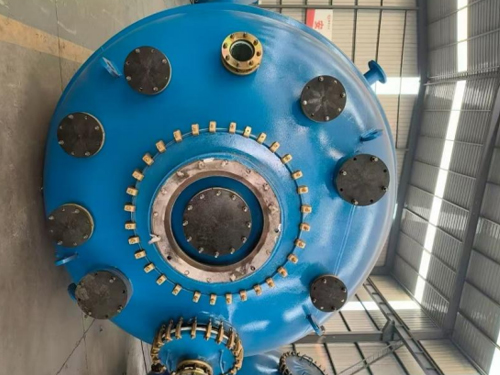
A Technical Guide to Specifying and Sizing Glass-Lined Reactors
Introduction
Selecting
a Glass-Lined Steel (GLS) reactor is a technical exercise that
translates process requirements into precise equipment specifications. A
well-specified reactor ensures optimal performance, safety, and return
on investment.
Step 1: Define Core Process Requirements (The Input)
Process Chemistry:
Full MSDS Review: List all chemicals, intermediates, and by-products. Flag any fluorides or strong alkalis.
Corrosivity: Define the type, concentration, and temperature of all acids, bases, and solvents.
Physical Properties: Note viscosity, presence of solids, abrasiveness, and foaming tendency.
Operating Envelope:
Temperature: Minimum and maximum process temperatures, and required ramp rates.
Pressure: Maximum operating pressure (positive or full vacuum).
Production Data:
Batch Size: Determine working volume, then select the nominal vessel size (typically 1.5x the working volume).
Duty Cycle: Number of batches per day/week influences mechanical seal selection and maintenance schedules.
Step 2: Determine Key Vessel Specifications
Design Pressure & Temperature:
The vessel's MAWP must exceed the maximum process pressure. Common classes: Full Vacuum, 6 bar, 10 bar, 16 bar.
Design Temperature must cover the full operational range, including cleaning cycles.
Heat Transfer Requirements:
Calculate the required heat transfer area based on the heat load (Q) and allowable time for heating/cooling. Standard jacket area may be insufficient; specify half-pipe coils, dimpled jackets, or increased surface area if needed.
Specify heating/cooling media (steam, thermal oil, chilled water) and corresponding nozzle sizes.
Agitation System:
Impeller Type: Anchor for high viscosity/heavy solids; turbine for gas dispersion; pitched blade for general mixing.
Motor Power: Size based on fluid rheology, impeller type, and desired tip speed. Oversizing is preferable to undersizing.
Step 3: Select Critical Configurations & Options
Sealing System:
Single/Double Mechanical Seal: Mandatory for vacuum, hazardous, or toxic services. Requires a support system (buffer fluid).
Gland Packing: Simpler, lower cost for non-hazardous, atmospheric pressure applications.
Nozzles and Connections:
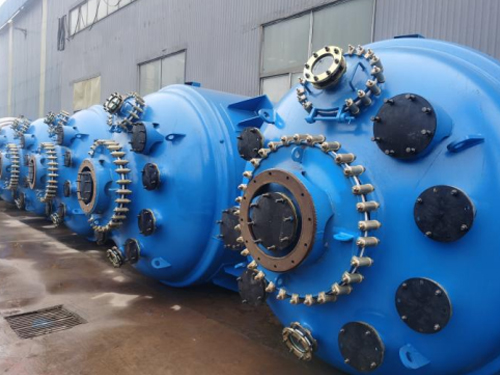
Specify the number, size (DN), and location of all nozzles: manway, agitator, thermometer, sight glass, dip pipes, spray ball (for CIP), etc. Add spares for future flexibility.
Internal Attachments:
Ensure baffles, thermowells, and dip pipes are also glass-lined. For specific applications, PTFE-coated or solid PTFE components are available.
Guidelines for a Successful Specification
Collaborate Early: Engage with GLS manufacturer engineers during the design phase. Provide a detailed Process Data Sheet.
Build in Margin: Add 10-20% margin to calculated volumes, heat transfer areas, and motor power for process flexibility and future needs.
Cost vs. Risk: Invest in higher-pressure ratings and mechanical seals for hazardous processes. Do not compromise on safety-critical specs.
Think Systematically: Consider the reactor as part of a system including condensers, receivers, and transfer pumps. Ensure compatibility.
Conclusion
Proper
specification is the foundation for a successful GLS reactor
installation. A methodical approach that rigorously documents process
needs and translates them into precise engineering parameters results in
a vessel that is not just a container, but a optimized and integral
part of the production process.